


Qualified Opportunity Zones (QOZs) offer investors a way to manage taxable gains while supporting the revitalization of underserved communities. Originally created under the 2017 Tax Cuts and Jobs Act, the program was designed to encourage private investment in economically distressed areas and continues to draw interest from investors, financial professionals and tax advisors evaluating tax-efficient real estate strategies.
The QOZ 1.0 regime from 2017 was modified and made permanent on a “rolling” basis under the 2025 One Big Beautiful Bill Act, allowing taxpayers to defer capital gains, receive a 10% basis step-up, and completely eliminate tax on appreciation of a qualifying QOZ investment held for more than 10 years.
Why QOZs Continue to Matter
For investors with gains from appreciated assets, QOZs may provide a flexible tax-advantaged strategy. Eligible gains can come from the sale of stocks, bonds, mutual funds, business interests, real estate, art, jewelry, cryptocurrency or other assets, helping investors defer current tax liability while repositioning capital for potential long-term growth.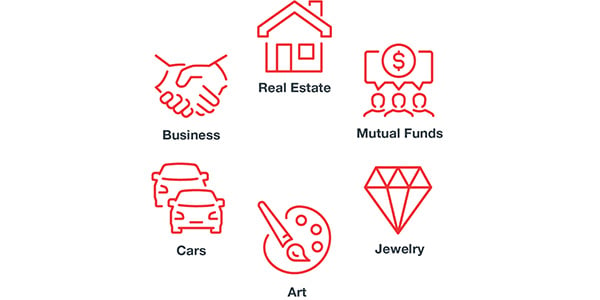
Zones Under the New QOZ 2.0 are Currently Being Defined
QOZ 2.0 builds on the original program with updates intended to sharpen its geographic focus, extend its availability and improve accountability.
The 2026 zone-designation cycle marks an important next step for the program. On April 2026, Treasury and the IRS announced a list of 25,332 eligible census tracts. As of July 1, 2026, states have 90 days to nominate these census tracts for QOZ status[1], which could meaningfully reshape where future QOZ investment is directed. As new zones are identified, investors and advisors may want to monitor the process closely and evaluate how potential opportunities fit within a long-term real estate strategy.
Key current benefits (QOZ 1.0) and expected enhancements/changes for QOZ 2.0 are outlined in the table below.
Current vs. Future*
|
|
QOZ 1.0 |
QOZ 2.0 |
|
Duration |
Expires 12/31/2026 |
Permanent starting 1/1/2027 (10-year designation cycles) |
|
Zone Redesignation |
Zones in effect until 12/31/2028 |
New designations beginning 2027 and every 10 years thereafter |
|
Income Threshold for QOZ Designation |
<= 80% area median income |
<= 70% area median income or poverty rate of =>20% and median income <125% of area median |
|
Gain Deferral Period |
Gain deferred until 12/31/2026 |
5‑year rolling one-time deferral from investment date |
|
Basis Step-Up |
10% after 5 years 15% after 7 years |
10% after 5 years (one-time relevant to each investment) |
|
Tax Exemption on Appreciation |
Permanent after 10 years |
Permanent after 10 years (subject to 30-year cap framework) |
|
Focus on Rural Areas |
N/A |
30% basis step-up after 5 years / Reduced improvement requirement (~50% of adjusted basis) |
|
Sponsor/Fund Reporting Requirements |
Modest |
Extensive annual IRS/Treasury disclosures; penalties for non-compliance |
*Subject to Treasury and IRS guidance
A Long-Term Strategy for Investors and Communities
As QOZ 2.0 takes shape, the program is expected to remain a meaningful tool for eligible gain deferral, long-term tax planning, and community-focused real estate investment. Its evolution reinforces the role QOZs can play within a broader portfolio strategy.
Because the rules are complex and subject to ongoing guidance, investors should evaluate whether a QOZ investment aligns with their objectives, time horizon, liquidity needs and risk tolerance, and consult their tax, legal and financial advisors before investing.
[1] https://www.parkerpoe.com/news/2026/04/irs-clarifies-opportunity-zone-program-identifying-more-than