
1031 Exchanges & DSTs
Created to reduce tax burdens, defer capital gains, enhance after-tax returns, and support long-term wealth preservation and growth. Inland Investments utilizes the Delaware statutory trust (DST) structure, potentially yielding significantly higher values while sheltering gains realized in real estate transactions.
Try our 1031 Exchange Calculator for Potential Tax Savings!
1031 DST Exchanges
A 1031 exchange is a tax-advantaged investment strategy that allows investors to defer capital gains taxes by reinvesting the proceeds from a property sale into “like-kind” real estate assets. By enhancing purchasing power, 1031 exchanges may enable investors to acquire higher-value properties, improve cash flow for more efficient wealth growth, and transfer assets to heirs with a stepped-up basis that helps minimize tax liabilities.
- 1031 Exchanges
- Delaware Statutory Trusts (DSTs)
1031 Exchanges

From diversification to potential capital appreciation, leveraging a 1031 exchange transaction may provide several valuable benefits.

Gives investors the opportunity to reinvest in property types that may offer greater appreciation, portfolio diversification and potential income.

To maximize tax benefits of a 1031 exchange and avoid penalties, it's essential to meet all guidelines and deadlines of a 1031 exchange transaction.
Delaware Statutory Trusts (DSTs)

DSTs are considered the partial ownership structure of choice for many real estate investors, specifically for those interested in executing a 1031 exchange.

With a DST, heirs can receive ongoing distributions paid from original investment, and upon sale of property(ies) in DST, decide how to handle their inherited portion.

An investment strategy that allows investors to enjoy the benefits of owning a real estate property without all the hassles.
1031 Exchange Calculator
Determine the potential tax deferral you may realize by performing a 1031 exchange. Results are hypothetical estimates for informational purposes only, are not guaranteed, and not a substitute for professional tax advice.
Key Benefits of 1031 Exchange
By using the proceeds of a property sale to purchase “like-kind” real estate, an investor can potentially reinvest in property types that may provide:

Income

Appreciation

Hedge

Diversification

Ownership

Advantages
What is Like-Kind Real Estate?
To execute a 1031 tax-deferred exchange, the replacement real estate property and relinquished real estate property involved must be “like-kind.” Properties held for productive use in a trade or business or for investment purposes is considered like-kind.
A primary residence would not be considered “like-kind” however, vacation homes or rental properties may be eligible if certain qualifications are met. Other examples of like-kind properties include hospitality, multifamily, student housing, self-storage, healthcare, industrial, office, retail and DSTs.
Executing a Successful 1031 Exchange
It is important to follow all guidelines and requirements of the 1031 exchange to realize the tax-deferral benefits, avoid any penalties, and complete a successful transaction.
- Value of the replacement property must be equal to or greater than that of the relinquished property.
- Cash invested in the replacement property must be equal to or greater than the cash received from the property sale.
- Debt on the replacement property (or debt plus additional cash) must be equal to or greater than the value of the debt from the relinquished property.
Day 1
Sell property and escrow proceeds with a Qualified Intermediary (QI)
Day 45
Identify a property within 45 days
Day 180
Close on new property within 180 days of sale of relinquished property
Potential DST Advantages
This passive investment structure, in which multiple investors may hold fractional interests in a single property or portfolio of properties, is attractive to many 1031 exchange investors for its ability to enhance portfolio diversification while qualifying for tax-deferred exchange benefits.

Institutional-Quality Properties*

Policy

Liability
Industry-Leading Asset Management
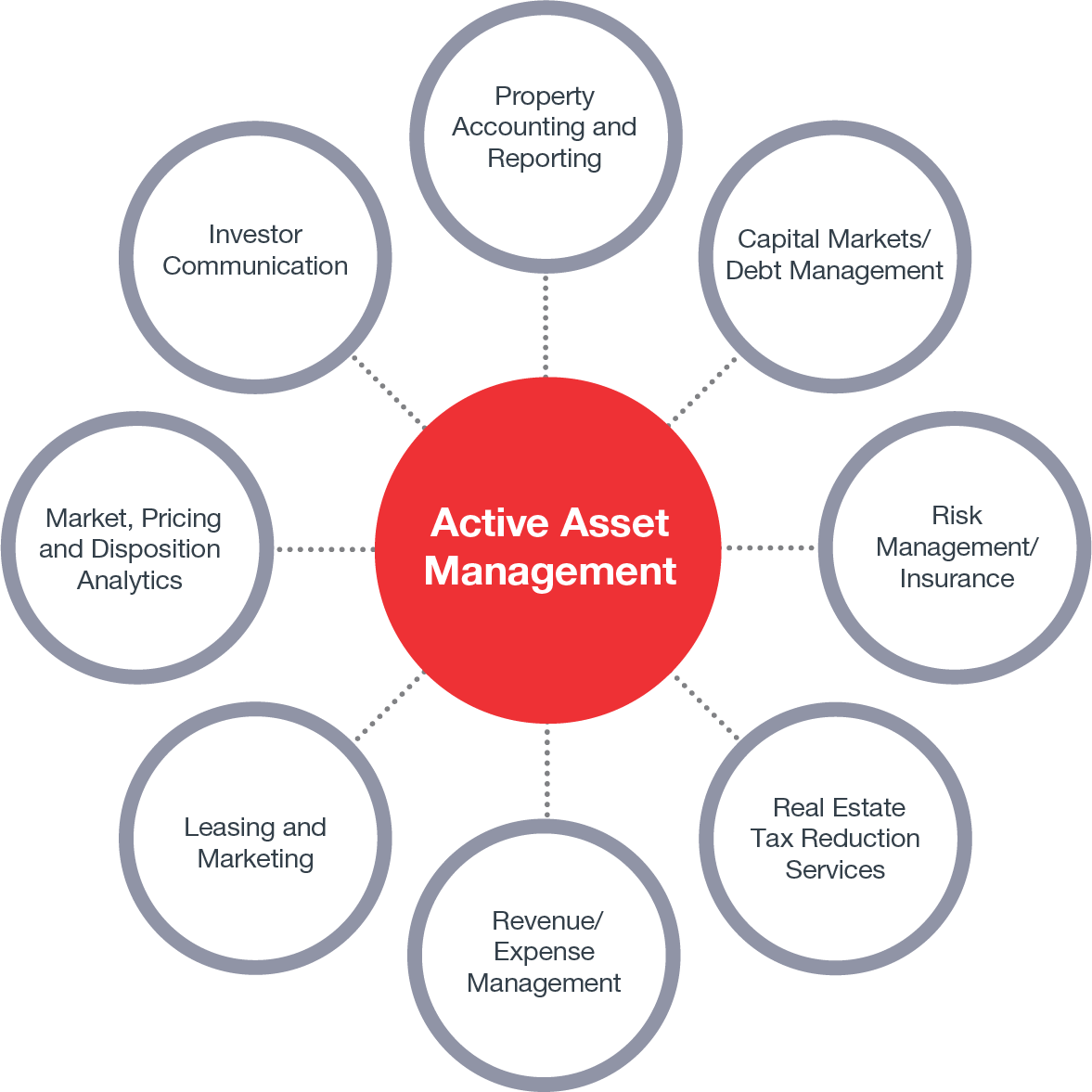
DSTs typically offer professional property and asset management teams that handle day-to-day operations and decision-making for the property or properties. With the implementation of active asset management, experts monitor market conditions, trends, and company-specific news. This active approach, from acquisition to disposition, improves property value and increases potential returns for investors.
Role of a Qualified Intermediary (QI)
- Mandatory component of a successful 1031 exchange transaction
- Prepare 1031 exchange legal agreements and related transaction documents
- Receive, hold and safeguard the 1031 exchange funds throughout transaction process
- Advise, coordinate or consult on the implementation of the 1031 exchange transaction to ensure compliance with the Internal Revenue Code, Treasury Regulations and related Revenue Rulings and Procedures
1031 Exchange Education & Insights
Who You Invest with Is Everything®
We can help investors connect with a financial professional who can tailor strategies to individual goals, assess suitability, and provide expert guidance throughout the investment process. We encourage financial professionals interested in learning more to connect with us—we’re here to support your clients and your business.