Multifamily Sector

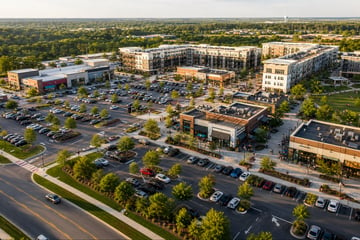
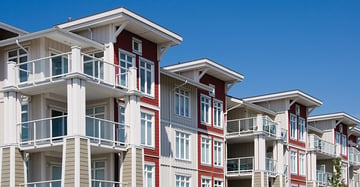
Multifamily refers to residential properties that contain multiple separate housing units within one building or complex. Each unit is typically rented out to individual tenants, and often consists of studio, 1, 2 or 3 bedrooms.

2025 Residential Sector Review

Multifamily

Key Demand Trends

Affordability: Renting has historically offered a more affordable alternative to homeownership, especially in high-demand markets. Beyond mortgage payments, homeowners face additional costs—such as property taxes, insurance, and maintenance—that can significantly increase the financial burden. When using 4% of home value as a proxy for these added expenses, national homeownership costs are nearly twice as high as current average rents.1 This cost gap continues to position rental housing as a financially accessible option for many households.

Rent Vs. Own Comparison1

Demographics: Population trends are fueling demand for multifamily rentals.  Many Millennials, now the largest population segment in the U.S.,2 are choosing to rent over owning due to high home prices, rising interest rates, and a desire for flexibility in lifestyle and location. Renting offers lower upfront costs and fewer long-term commitments—making it a more accessible and adaptable option.

Baby boomers are also shaping rental trends. Many are choosing to downsize in retirement, seeking low-maintenance living and greater freedom to travel or pursue leisure activities. This group is increasingly relocating to be closer to urban amenities, natural attractions, or family—adding another layer of long-term support for rental housing demand.


Data as of May 2025

1 Monthly housing cost = monthly principal and interest based on 30-Year mortgage rate (FRED –MORTGAGE30US) and median sales price of homes sold U.S. (FRED – MSPUS) plus a 4% of total home value added as Operating costs of owning a home (Operating Costs of Owning a Home - National Association of Home Builders); Rent = Realpage Effective Rent

2 https://www.pewresearch.org/short-reads/2020/04/28/millennials-overtake-baby-boomers-as-americas-largest-generation/

Build-To-Rent Communities

Build-to-rent (BTR) communities, a growing subsector within the residential sector, provide an ownership-like experience with the convenience of renting. Residents can enjoy private space without the shared hallways, walls, and noise—alongside modern amenities, flexible lease terms, and freedom from the financial and maintenance responsibilities of homeownership.

Millennials are now entering peak household formation years, yet rising home prices and shifting lifestyle preferences have made homeownership increasingly difficult. The average age of first-time buyers has climbed from the early 30s to the late 30s in recent years, reflecting these affordability challenges. As a result, many Millennials may turn to BTR communities as flexible and accessible alternative to homeownership.

Median Age of Home Buyers (1981-2024)3

Data as of May 2025

3 National Association of REALTORS® | 2024 Profile of Home Buyers and Sellers

Multifamily Education & Insights

Commercial Real Estate
Demand for commercial real estate generally reacts to the ebbs and flows of the broader economic market. Find out which sectors...
Commercial Real Estate
Net operating income (NOI) is one of several key metrics used to measure the profitability and value of commercial real estate....
Commercial Real Estate
As the economy makes significant progress in its return to “normal,” some have noted inflation increasing at an accelerated pace....

Who You Invest with Is Everything®

We can help investors connect with a financial professional who can tailor strategies to individual goals, assess suitability, and provide expert guidance throughout the investment process. We encourage financial professionals interested in learning more to connect with us—we’re here to support your clients and your business.